Client
Purdy & Figg
Industry
Eco-Friendly Cleaning Products
Platform
Shopify Plus
Partner
Valar Ecom (CRO & Shopify Experts)

Purdy & Figg’s paid and organic traffic was growing steadily, but the store ran on a paid, off-the-shelf Shopify theme that wasn’t built around its catalog or its buyers. Unused features and stacked app scripts slowed every page, product page bounce rates were high and checkout drop-off was steep. The analytics setup couldn’t reliably show where visitors were leaving.
We audited the existing theme and replaced it with a custom, performance-first Shopify build designed around Purdy & Figg’s products and customers. Once the new theme was stable, we rebuilt the analytics layer and launched an always-on CRO program, running prioritized A/B tests every week until each reached statistical significance.
The new foundation and a disciplined testing program doubled Purdy & Figg’s site-wide conversion rate, from 2.5% to 5%. The custom theme loads twice as fast as the one it replaced, more shoppers complete checkout and fewer leave product pages without engaging.
Site-wide conversion rate
Increased from 2.5% to 5%
Faster load time
Compared with the previous paid theme
Checkout completion rate
More shoppers finishing their purchase
Product page bounce rate
Fewer visitors leaving without engaging
Purdy & Figg is a Shopify brand that has already done the hard part on the marketing side. Paid and organic traffic were growing steadily, month over month, and demand for the product was real. The gap was on the storefront: a paid, off-the-shelf Shopify theme that wasn’t built around their catalog or their buyers, paired with an analytics setup that couldn’t reliably tell the team where visitors were dropping off.
What began as a foundational rebuild grew into a long-term partnership. Valar Ecom has worked with Purdy & Figg on an ongoing basis since 2019, moving from an initial custom theme build into a structured, always-on CRO program that continues to run today.
The store was running on a paid, off-the-shelf Shopify theme, the same starting point available to thousands of other stores on the platform. It looked fine on the surface. Underneath, it carried the baggage every generic theme carries by default:
Worse, Purdy & Figg’s analytics setup couldn’t reliably tell them where the leak was happening. Bounce rates on product pages were high. Checkout drop-off was steep. But without clean measurement, every fix was a guess.
Here’s the part that trips up a lot of growing brands: no amount of on-page tweaking was going to fix a foundation problem. You can rewrite headlines, swap product photos, and A/B test button colors all day. If the underlying theme is bloated and slow, you’re optimizing on top of a leak instead of sealing it. A quick redesign would have been the fast answer. It also would have been the wrong one.
The fix had two parts, run in sequence rather than at the same time. Rebuild the foundation first, then build a disciplined, always-on testing program on top of it.
Rather than patching an already-strained theme with more apps and more overrides, which is how most stores end up even more bloated than when they started, we made a deliberate call to start from the ground up.
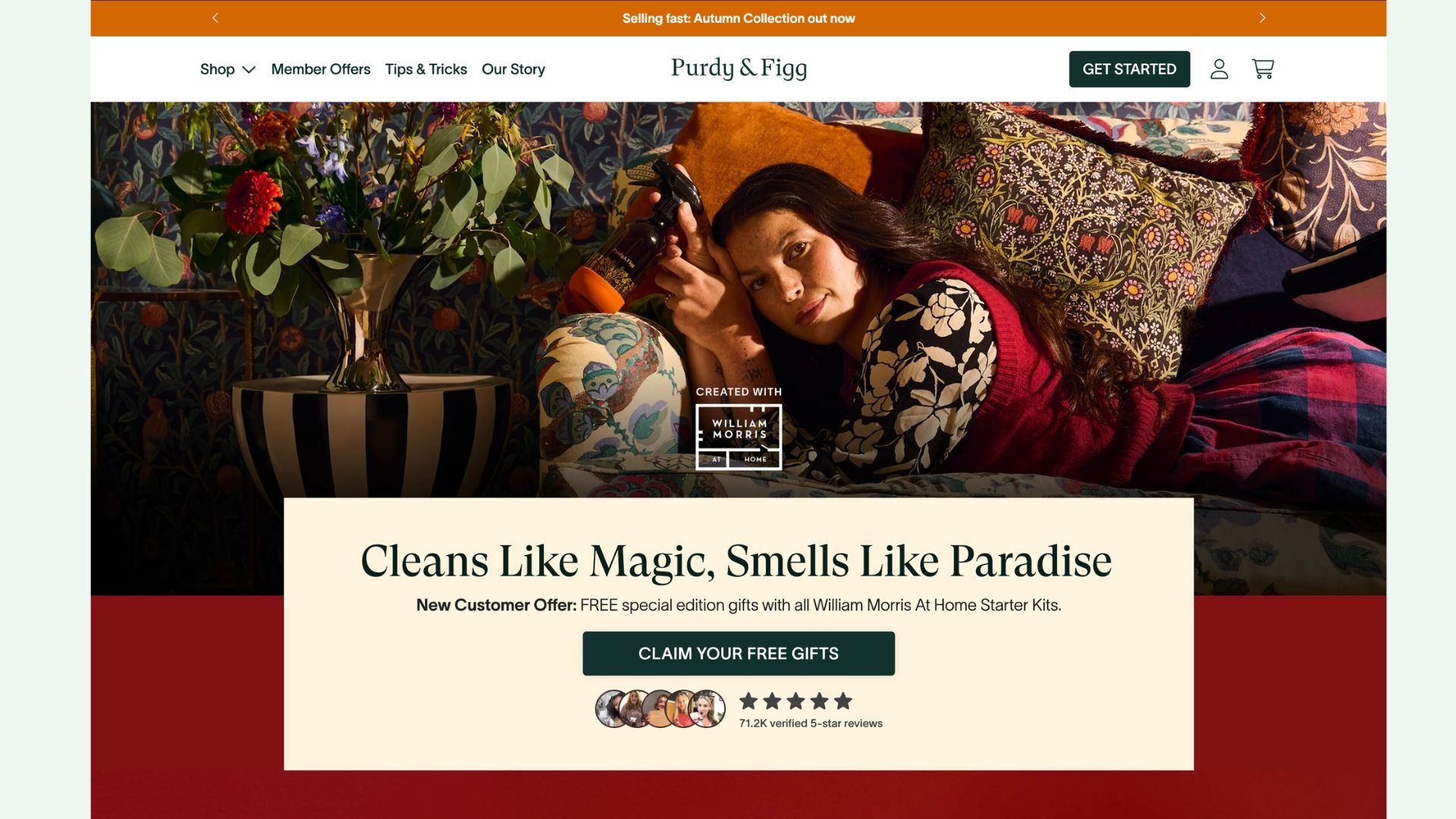
We didn’t start by editing the existing paid theme. We started by auditing it, line by line, to understand exactly what was slowing the store down and where the structure was working against the catalog rather than for it. From there, we designed and built a bespoke Shopify theme engineered specifically around Purdy & Figg’s products, content, and the way their actual customers shop.
Asset loading, script weight, and template structure were requirements from the very first line of code, not a cleanup pass tacked onto the end of the project. The result was a theme measurably faster than the paid template it replaced. Speed isn’t a nice-to-have for conversion. It’s the floor everything else stands on.
This is a detail a lot of agencies get wrong. They start testing while the foundation is still shifting underneath them, which makes every result unreliable. We deliberately held off on structured testing until the new theme was stable and live in production, so every result that came afterward reflected the new foundation rather than a moving target.
Once the new theme was stable, we shifted into what became an ongoing CRO program. Most stores treat conversion optimization as a sprint: a redesign, a handful of A/B tests, then back to business as usual. We built Purdy & Figg’s program to run indefinitely, on a weekly cadence, governed by real statistical thresholds rather than gut feel.
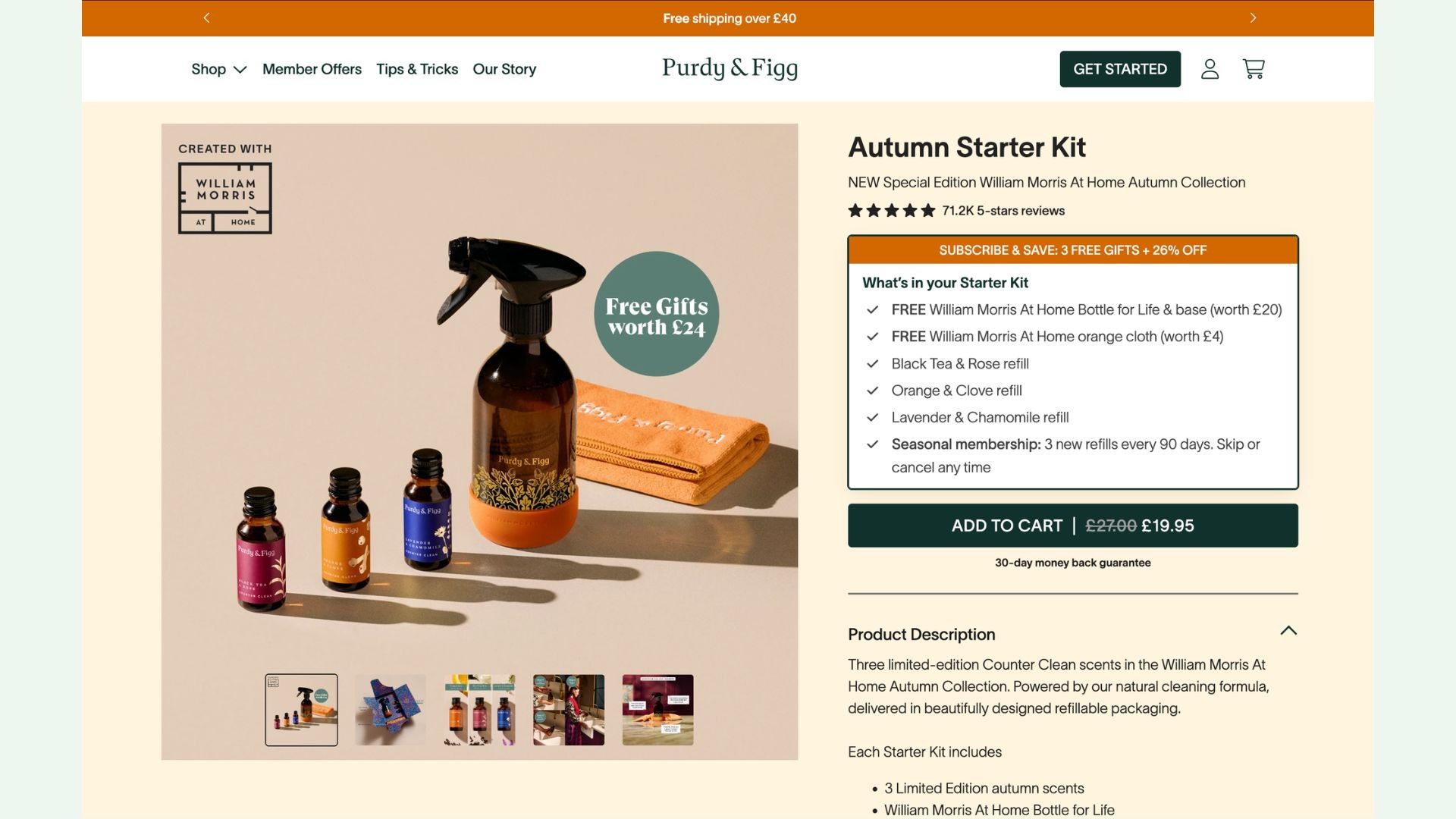
Before running a single test, we rebuilt the analytics and event-tracking layer so every future test had a reliable source of truth. There’s no point optimizing conversion on top of broken analytics. You’re just guessing with better fonts.
We didn’t just look at where volume dropped off; anyone can see that in a funnel report. We isolated the specific steps where high-intent traffic, the visitors most likely to buy, were dropping off. That’s a far more valuable signal.
Every test idea was scored using ICE (Impact, Confidence, Ease), so the team always worked on the highest-leverage tests first. Tests ran until they reached statistical significance rather than a fixed deadline.
Winning tests are shipped straight to production. Losing tests were documented just as carefully, so the team never relearned the same lesson twice. Over time, this became a genuine knowledge base of what Purdy & Figg’s specific customers respond to.
30 minutes, your store, clear next steps.
The single biggest lift of the entire program came from changing the sequence buyers moved through on the page. Answering the buyer's questions in the order they actually ask them, instead of the order marketing wanted to tell the story, was the highest-leverage change we made.
The largest single mobile-conversion win came from making it easier for mobile shoppers to act the moment they were ready, without losing their place on the page.
We identified the exact point in the purchase flow where hesitation spiked and reduced what stood between the buyer and completing the purchase there.
Repositioning post-purchase offers let average order value grow without adding friction to the sale someone was already making.
The results of rebuilding the foundation and testing systematically:
| Area | Outcome |
|---|---|
| Site-wide conversion rate | 2.5% to 5% (doubled) |
| Theme | Off-the-shelf, replaced with a fully custom, performance-first build. |
| Page performance | 2x faster than the previous theme. |
| Checkout completion rate | 30% lift |
| PDP bounce rate | 25% reduction |
Client testimonial
“Shashi and his team have genuinely been a catalyst for our business”
When we started working with them, our conversion rate sat at 2.5%, and after doing CRO and development work on our website for the last two years, it now sits at 5%.
Jack Rubin
Co-founder & CEO, Purdy & Figg
Doubling conversion here wasn’t about a single redesign. It was about building a foundation and a discipline that compounds over time. If your store is fighting a similar uphill battle where traffic is growing but conversion is flat, with a bloated theme and data you can't fully trust - that's exactly where we start.
Book a free 30-minute session with our Shopify and CRO specialists. Bring your questions, and we'll bring the plan.
Choose a slot that suits you and tell us a little about your store.
A focused 30-minute video call on your goals, your funnel and what's in the way.
Clear, prioritised next steps, yours to keep whether or not we work together.
Book a 30-minute session with the Valar Ecom team and leave with a clear plan to grow.
